Science News
 American
Science News for 29 August 2021
American
Science News for 29 August 2021
Abusive Messages From a Partner Increase the Likelihood of Experiencing Mental Illness and Suicidal Thoughts
Neuroscience News - 29 Aug 2021 01:16 People who receive threatening or obscene text messages and other communications from current or former partners are more likely to experience mental health problems including depression and anxiety, and have an increase...
New Ultrasound Scanner Measures Brain Pressure
Neuroscience News - 29 Aug 2021 00:52 A new ultrasound technology dubbed Nisonic P-100 allows doctors to quickly determine whether a patient is at risk of a dangerous increase of intracranial pressure.
Dunbar's Number: Why the Theory That Humans Can Only Maintain 150 Friendships Has Withstood 30 Years of Scrutiny
Neuroscience News - 29 Aug 2021 00:14 Thirty years ago, Robin Dunbar theorized humans can maintain a friendship group of 150 people, with five intimate friendships. Despite many attempts to challenge the theory, Dunbar's Number has stood the test of time. Ba...
'Extremely dangerous' Hurricane Ida makes landfall in Louisiana with 150 mph winds
Live Science - 29 Aug 2021 20:03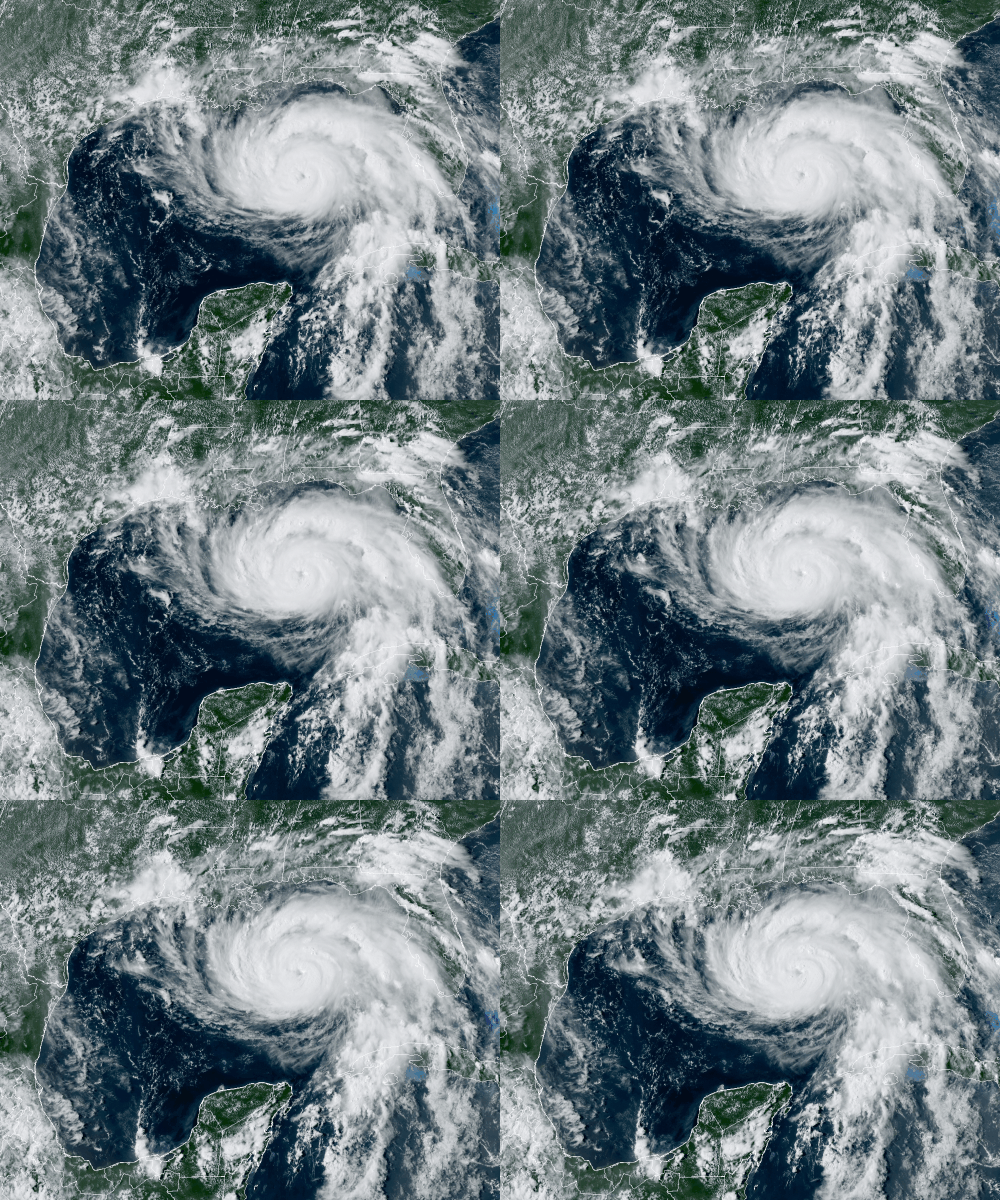 Hurricane Ida, an "extremely dangerous" Category 4 hurricane, made landfall near Port Fourchon, Louisiana, at 11:55 a.m. local time on Sunday.
Edoxaban may be effective treatment for atrial fibrillation after transcatheter aortic valve replacement
Science Daily - 29 Aug 2021 14:19
A new study compares edoxaban anticoagulant with the standard of care in large randomized clinical trial.
Four-in-one blood pressure pill: Safe and much more effective than usual hypertension treatment, study finds
Science Daily - 29 Aug 2021 14:19
The first large-scale, long-term trial of a new strategy using combinations of very low-doses in one capsule, has demonstrated significantly improved control of high blood pressure -- the leading cause of heart attack an...
Why do faces become less symmetrical with age?
Live Science - 29 Aug 2021 13:00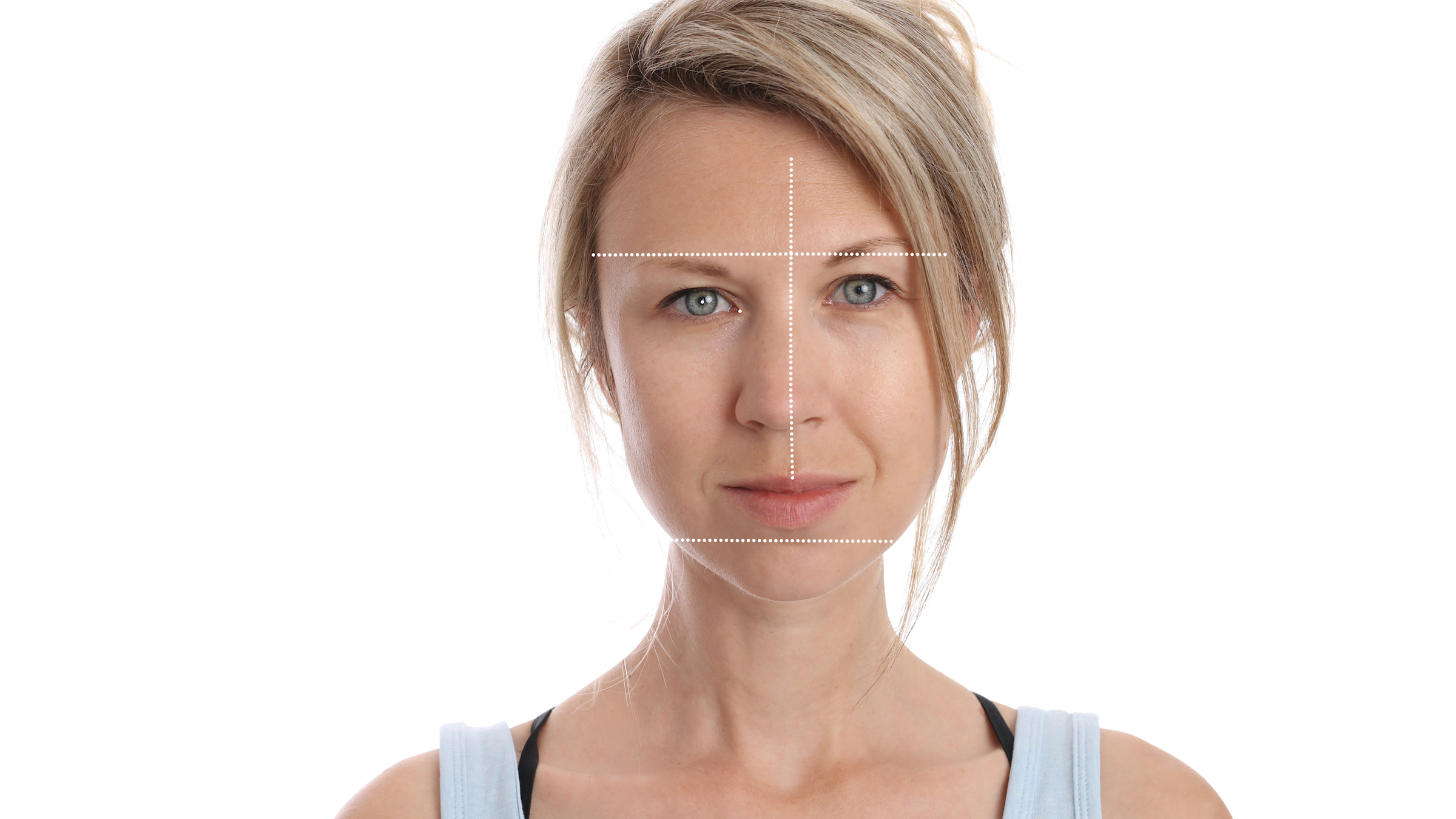 The aging process doesn't happen equally on both sides, leaving the human face increasingly less symmetrical with age.
 Global
 Great Britain
 Indian
 South Africa